
Garage Door Opener Sensors Not Working Las Vegas: Blinking, Misaligned, or Dead Photo Eyes
The two photo eyes near the floor stop a closing door from hitting anything. When they fail, the door will not close. Read the safe steps below, then call us. Emergency service is available 24/7.
- What the sensor lights usually mean
- Safe steps to take right now
- The failed part named in plain words
- The total given before work starts
- Emergency service available 24/7
Tell Us What Your Sensors Are Doing
Pick what fits, or describe it in your own words.
What Garage Door Sensors Do, and Why They Fail
Photo eyes are a pair of small sensors, one on each side of the door, near the floor. One sends a beam and the other receives it. If the beam breaks while the door is closing, the door stops or reverses.
DASMA says the beam must be no higher than 6 inches above the garage floor, according to its technical data sheet. That is why a sensor that gets bumped, dirty, or blocked can stop the door from closing.
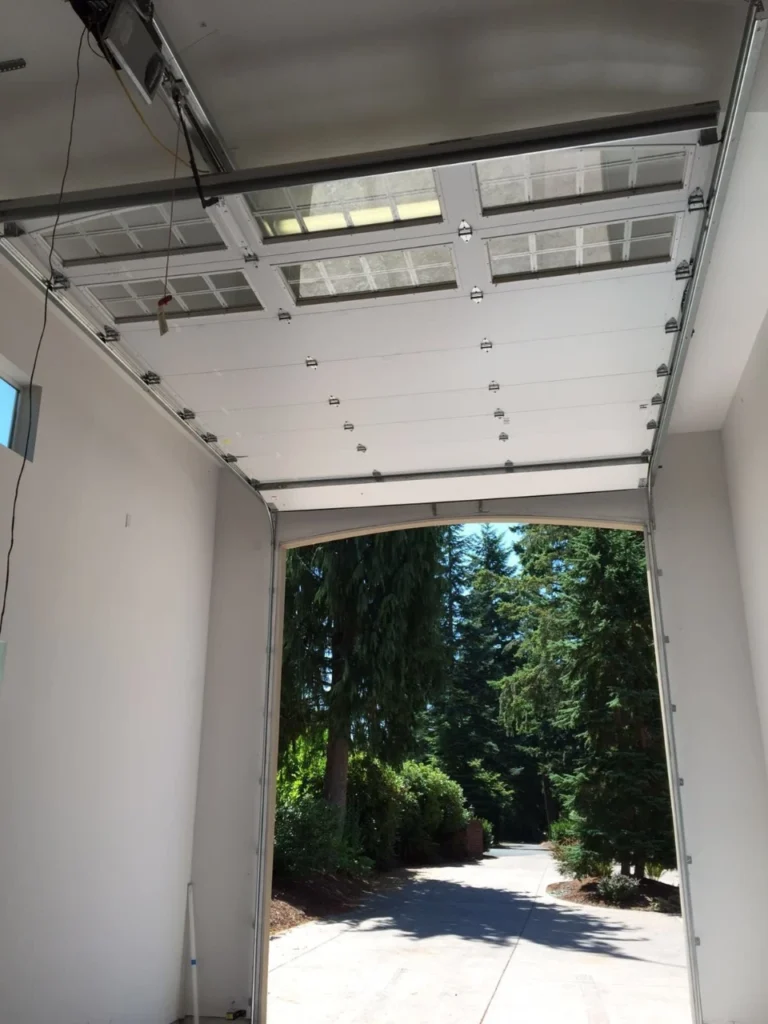
Fast answers
- One light off or blinking: a blocked, dirty, or misaligned sensor
- Both lights off: no power to the sensors
- Door closes only while you hold the button: a sensor fault
- Opener lights flash: check the sensors and the Lock button
What the Sensor Lights Usually Mean
Light patterns vary by brand. On many openers, both lights should glow steady. Check your manual too.
| What you see | Likely cause | Safe step | Call us when |
|---|---|---|---|
| Both lights glow steady | The sensors are aligned and powered | Test the door | The door still will not close |
| One light is off | No power to that sensor, or a damaged wire | Look at the wire for damage | Always |
| One light blinks | The sensors are out of line, or the beam is blocked | Wipe the lenses, clear the beam, and check the brackets | It will not go steady |
| Both lights are off | No power to the sensors, or a board problem | Check the opener power | Always |
| Lights are steady, but the door reverses | Something in the doorway, or settings that are off | Clear the doorway | It keeps happening |
Six Causes of Sensor Trouble
Start with the first two. They cause most cases.
Dirty or blocked lens
Dust, a stored item, or a leaf can block the beam. Wipe both lenses with a dry cloth and clear the floor near them.
A bumped bracket
A bump can knock a sensor out of line. Both lights should glow steady when it is aligned.
Sunlight on a lens
Bright sun shining into a lens can interrupt the beam on some setups.
A damaged wire
A cut, pinched, or loose wire stops the signal, so a light may stay off.
A mounting height that is too high
DASMA says the beam must be no higher than 6 inches above the floor.
A failed sensor or board
A sensor or the opener board can fail, especially after a storm surge.
What You Can Safely Check
No tools needed. Stay clear of the door while you test.
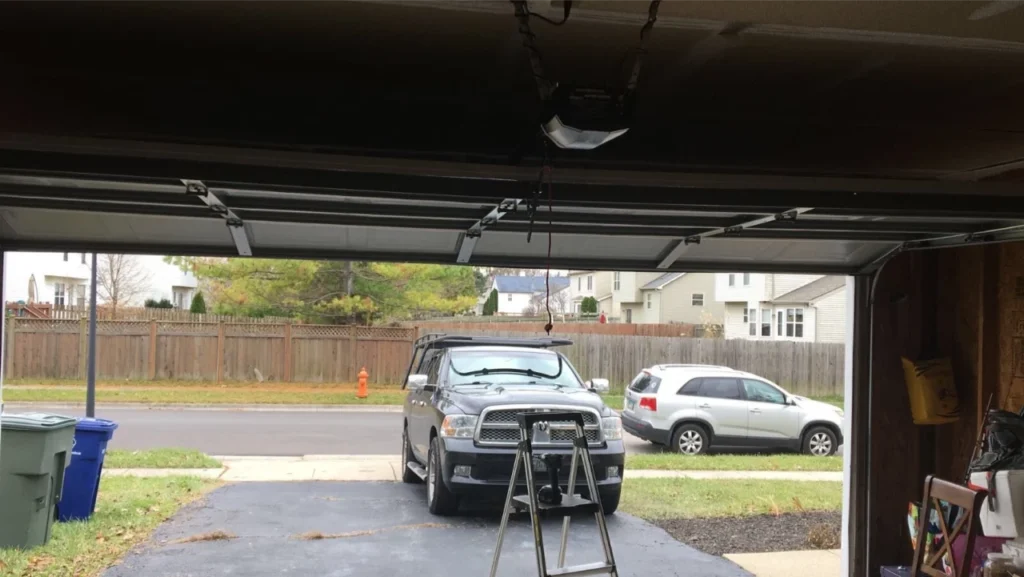
Safe steps
- Clear the doorway and the floor near both sensors.
- Look at both lights. On many openers both should glow steady.
- Wipe both lenses with a dry cloth.
- Check each bracket. Look for one that is loose or has been bumped.
- Check the wire. Look for a wire that is pinched, cut, or pulled loose.
- Test once. Press close from a spot where you can see the door, and stay out of its path.
Do not
Do not tape over a sensor, block it, or hold the wall button to force the door down as a habit. That bypasses the safety sensors. Chamberlain notes that openers made after February 3, 2022 no longer close this way. Do not move a sensor higher than 6 inches above the floor.
How to Test Your Sensors
The test
- Open the door fully.
- Stand inside the garage, safely away from the path of the door.
- Press close.
- As the door comes down, pass an object through the beam, such as a broom handle. Keep your body out of the path.
- Watch the door. It should reverse and return to fully open.
What to do with the result
If the door reverses, the sensors work. If it ignores the beam, stop using the opener and call us. DASMA describes this test in its technical data sheet. For the full monthly check, see our reversing guide.
Why Sensors Fail in Las Vegas
Dust
Dust builds up fast in the Valley and can block a sensor lens. Wipe the lenses each month.
Storms and surges
Monsoon storms run from late June into September. A surge can damage the sensor wiring or the board.
Heat and sun
Las Vegas hit 120 degrees on July 7, 2024, according to the National Weather Service. Heat wears on wiring, and bright sun can interrupt a beam.
What We Do for Sensor Problems
We test the sensors, the wiring, and the opener, explain the cause, and give you the total before we start. Read what changes the repair cost, or see our guides to a door that will not close or beeps.
Our steps
- You call or send the form. Tell us the brand and what the sensor lights do.
- We test the sensors and the opener. We check both lights, the lenses, the brackets, the wires, and the board.
- You get a plain explanation and a total. You see your options before any work starts.
- We fix it and test the safety features. Every job ends with a sensor test and a reverse test.
Where We Repair Openers in the Las Vegas Valley
We cover Paradise, Henderson, North Las Vegas, Summerlin, Spring Valley, Enterprise, and Centennial Hills.
Garage Door Sensor Questions in Las Vegas
What do garage door opener sensors do?
They send an invisible beam across the doorway near the floor. If something breaks the beam while the door is closing, the door stops or reverses. This is a safety feature.
Why are my garage door sensors blinking?
Blinking usually means the beam is blocked or the sensors are out of line. Wipe both lenses, clear the doorway, and check that nothing has bumped a bracket. Light patterns vary by brand, so check your manual.
How do I know if my sensors are aligned?
On many openers, both sensor lights glow steady when the sensors are aligned, according to Chamberlain. A light that is off or blinking points to a problem.
How high should garage door sensors be?
DASMA says the beam must be no higher than 6 inches above the garage floor. Sensors mounted too high can miss a low object.
Can sunlight stop my sensors from working?
It can. Bright sun shining into a sensor lens can interrupt the beam on some setups. Shading the lens may help, or call us.
Why does my door close only when I hold the wall button?
That points to a sensor problem, because holding the button bypasses the photo eyes. Do not rely on it. Chamberlain says openers made after February 3, 2022 no longer have this feature.
Can I bypass my sensors to make the door close?
No. Never tape over a sensor or bypass it. The sensors stop the door from closing on a person, a pet, or an object. If they will not work, call us.
How do I test my sensors?
With the door open, stand clear and press close. As the door comes down, pass an object, such as a broom handle, through the beam. The door should reverse and return to fully open, according to DASMA.
How much does it cost to fix garage door sensors?
It depends on the cause. Cleaning and aligning usually costs less than replacing a sensor or a wire. You get the total before work starts. Our repair cost guide explains what changes the price.
Do you repair sensors on all opener brands?
We repair sensors on LiftMaster, Chamberlain, Genie, and Craftsman openers, and other supported brands.
Call King Garage Opener for Garage Door Sensor Problems
Tell us the brand and what the sensor lights do. We test them, explain the cause, and give you the total before we start. Emergency service is available 24/7.
King Garage Opener
- 3058 E Sunset Rd, Las Vegas, NV 89120
- Phone: (702) 829-2196
- Hours: Monday to Friday, 8 AM to 6 PM. Emergency service: 24/7